



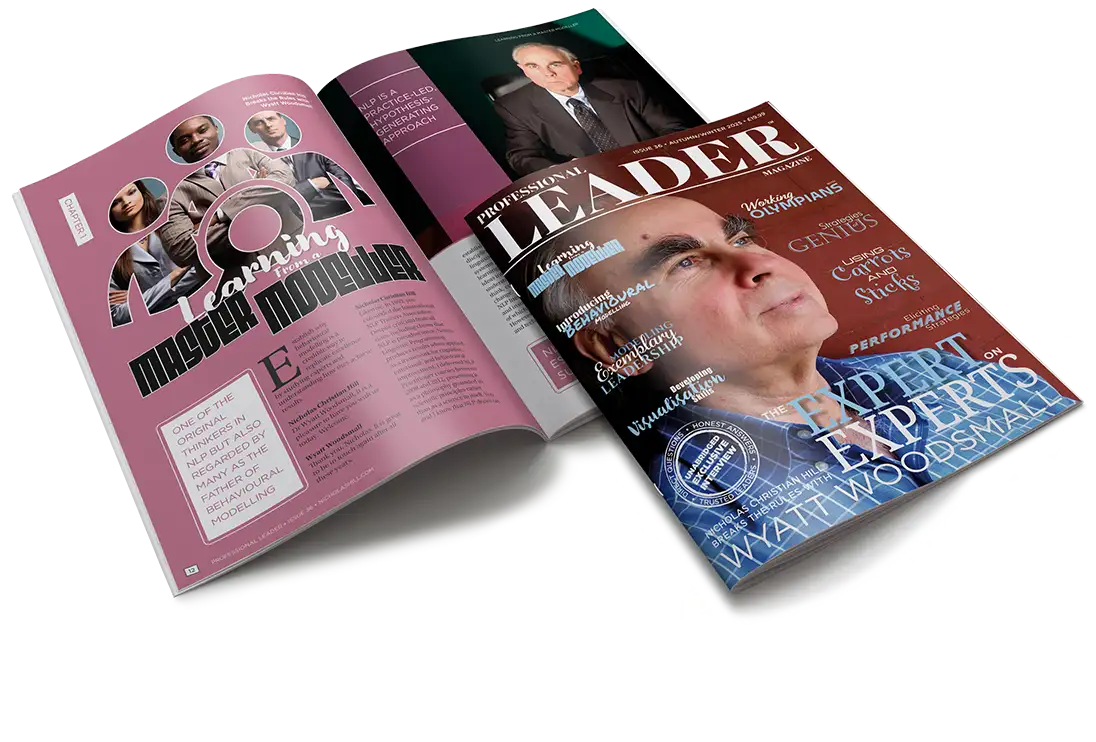
Learning from a Master Modeller





































































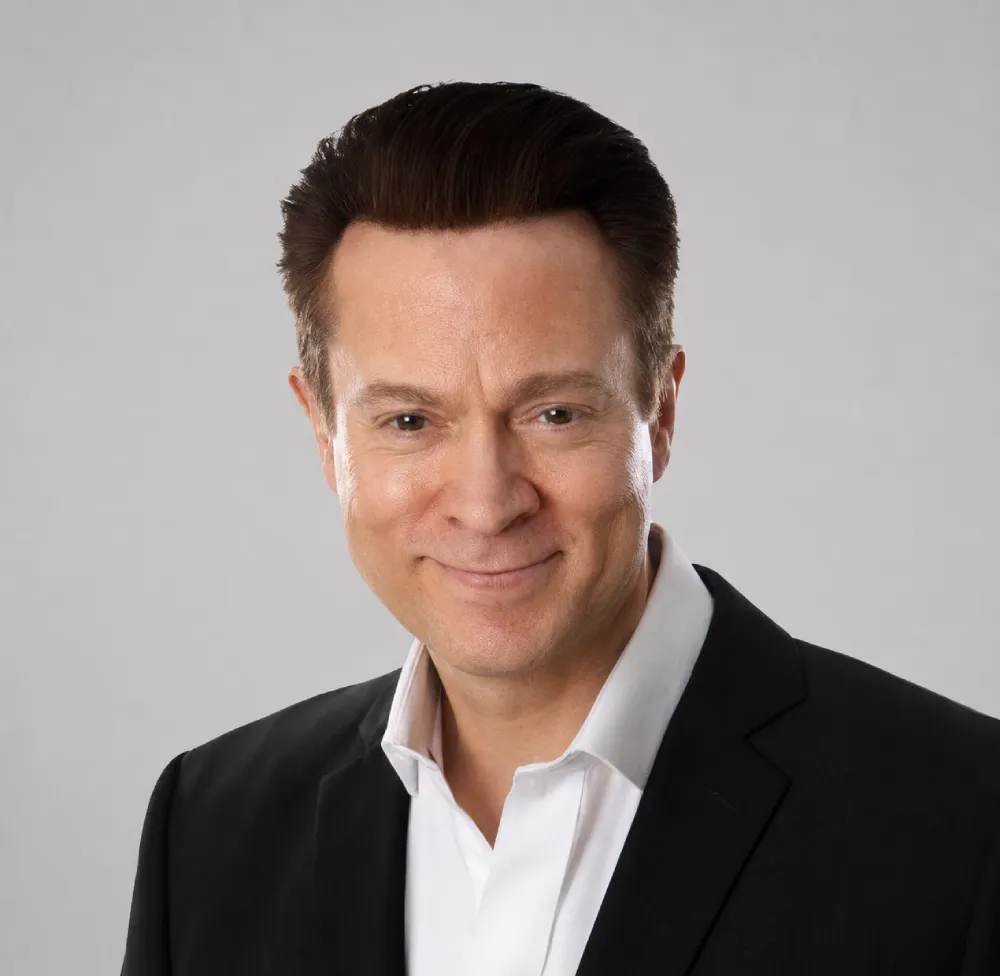
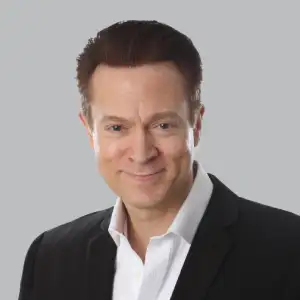
Nicholas Christian Hill
Nicholas Christian Hill FCMI FIoL FIC Managing Director, Nicholas Hill Academy Ltd Leadership and Management Master Trainer Founding Editor, Professional Leader Magazine
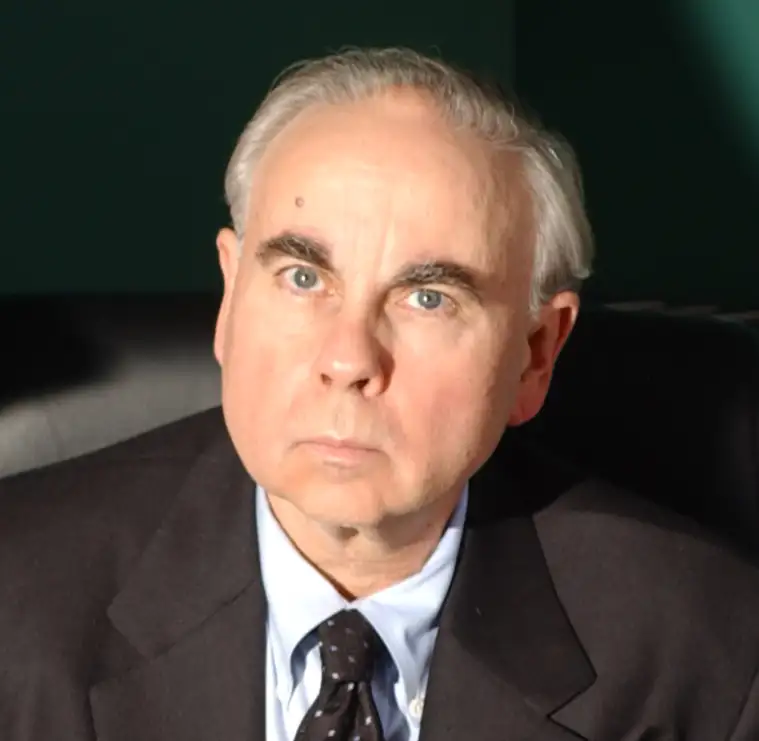
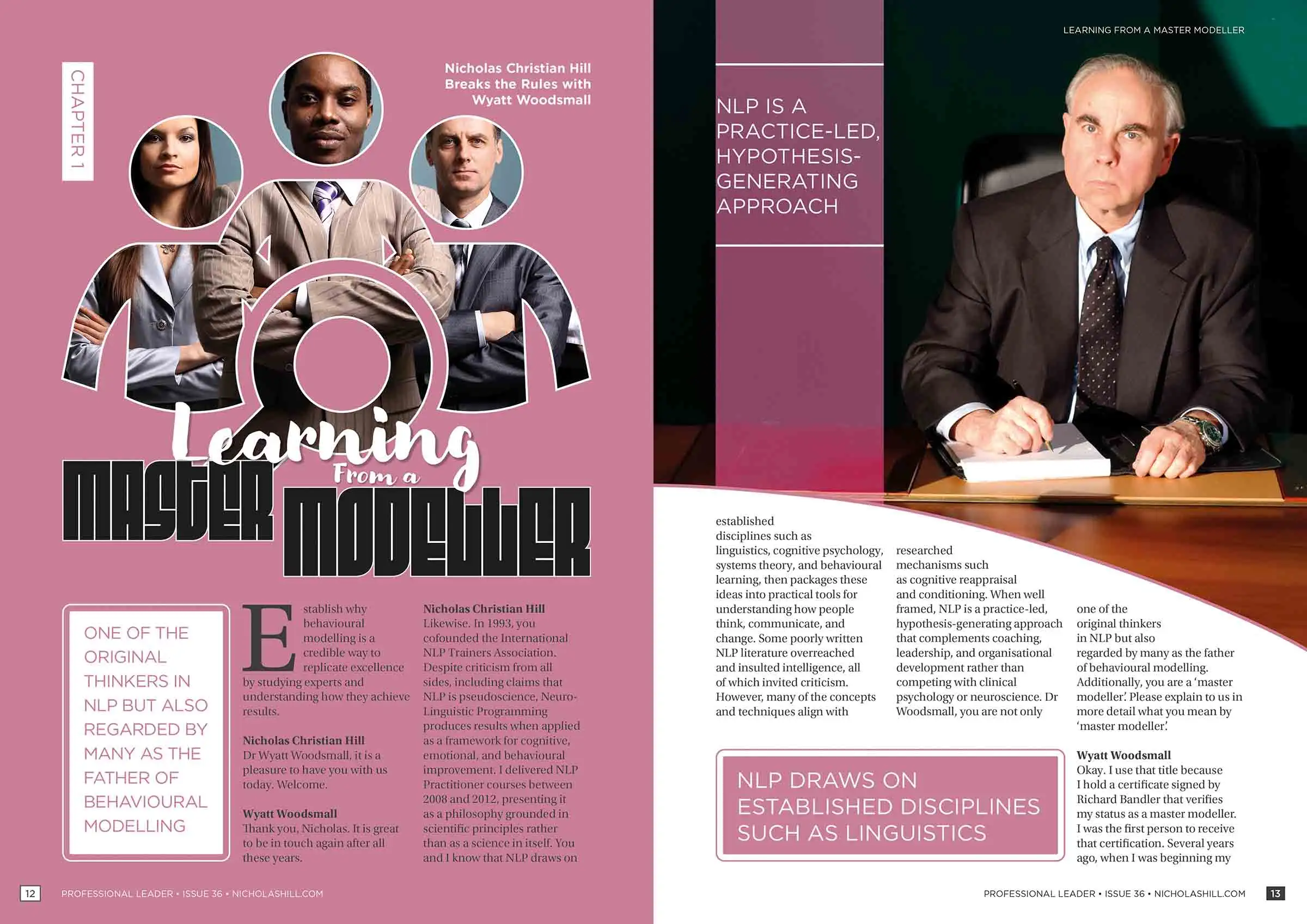
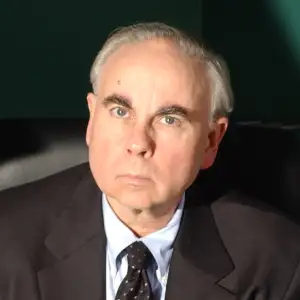
Dr Wyatt Woodsmall
Certified Master Modeller Co-Creator, Advanced Behavioural Modelling Co-Founder, International NLP Trainers Association Co-Author, Time Line Therapy and the Basis of Personality
Nicholas Christian Hill
Dr Wyatt Woodsmall, it is a pleasure to have you with us today. Welcome.
Wyatt Woodsmall
Thank you, Nicholas. It is great to be in touch again after all these years.
Nicholas Christian Hill
Likewise. In 1993, you cofounded the International NLP Trainers Association. Despite criticism from all sides, including claims that NLP is pseudoscience, Neuro-Linguistic Programming produces results when applied as a framework for cognitive, emotional, and behavioural improvement. I delivered NLP Practitioner courses between 2008 and 2012, presenting it as a philosophy grounded in scientific principles rather than as a science in itself. You and I know that NLP draws on established disciplines such as linguistics, cognitive psychology, systems theory, and behavioural learning, then packages these ideas into practical tools for understanding how people think, communicate, and change. Some poorly written NLP literature overreached and insulted intelligence, all of which invited criticism. However, many of the concepts and techniques align with researched mechanisms such as cognitive reappraisal and conditioning. When well framed, NLP is a practice-led, hypothesis-generating approach that complements coaching, leadership, and organisational development rather than competing with clinical psychology or neuroscience. Dr Woodsmall, you are not only one of the original thinkers in NLP but also regarded by many as the father of behavioural modelling. Additionally, you are a ‘master modeller’. Please explain to us in more detail what you mean by ‘master modeller’.
Wyatt Woodsmall
Okay. I use that title because I hold a certificate signed by Richard Bandler that verifies my status as a master modeller. I was the first person to receive that certification. Several years ago, when I was beginning my modelling career, I worked on a series of projects commissioned by agencies within the US government. We had Richard Bandler involved in a couple of those projects, and, in light of the results, he issued me a certificate as a master modeller.
Nicholas Christian Hill
Dr Richard Bandler, of course, is one of the cofounders of Neuro-Linguistic Programming and was central to shaping how modelling first entered the field. I once had the privilege of shaking his hand and thanking him for his contributions. Much of his early work was based on studying experts and understanding how they achieved results. That pragmatic emphasis over theory influenced how modelling was understood for years afterwards. It also explains why NLP later became misused, as people adopted the language without fully appreciating the research. As an expert in this field, please clarify the role of a master modeller.
Wyatt Woodsmall
Sure. I consider a master modeller to be someone who practises modelling professionally, is paid to do it, and delivers results. Therefore, every NLP Master Practitioner claims they are a modeller. People presumably do modelling projects, but most of these efforts are pretty much ‘Mickey Mouse’, not in-depth, and do not produce a reproducible, marketable product. The business world, which should be the primary outlet for modelling, pays for results. Therefore, it expects you to deliver results that improve performance.
Nicholas Christian Hill
Absolutely. I hope our readers are now clear from the outset that this is not the type of modelling akin to strutting your stuff on the catwalk or pouting in front of the camera! Instead, it’s about improving behavioural, cognitive, or emotional performance. When I delivered NLP Practitioner courses over 15 years ago, some participants would complete a modelling project. However, it was always an introductory exercise, as many had never done modelling before. What I noticed, even back then, was how quickly people underestimated its usefulness in business, resulting in exercises being conducted superficially. There is a big difference between observing surface behaviour and unpacking the internal structure of that behaviour. The learning cycle shows that expertise is achieved when learners achieve unconscious competence, but only after passing through three earlier stages. Once strategies are embedded in the human nervous system, they are difficult to reverse-engineer. When course participants tell me they have completed a ‘modelling project’, I ask whether the strategies can be successfully transferred. Otherwise, they are worth as little as the paper they were scribbled on. How long, Wyatt, have you been modelling professionally?
Wyatt Woodsmall
I have been doing modelling with my wife, Marilyne, now for over 30 years. Therefore, we consider ourselves professional modellers, or master modellers, for several reasons. One, we focus on this. We provide modelling services and have completed professional modelling projects with Olympic teams, the US government, and the British government. I have delivered training in 30 countries worldwide. That is what I mean by master modeller.
Nicholas Christian Hill
From my own experience in leadership and management development, organisations rarely care whether behavioural strategies look good on paper. They care about real-world results and whether team behaviour changes. The Dynamic Transfer Model tells us that skill transfer is a continual and iterative process. Skill transfer can fail if evolving workplace conditions are not taken into account. Leaders must recognise that the skills they have now are context-dependent, shaped by ever-changing time and circumstance. People might know what excellence looks like but have no idea how to reproduce it.