



Modelling Exemplary Leadership


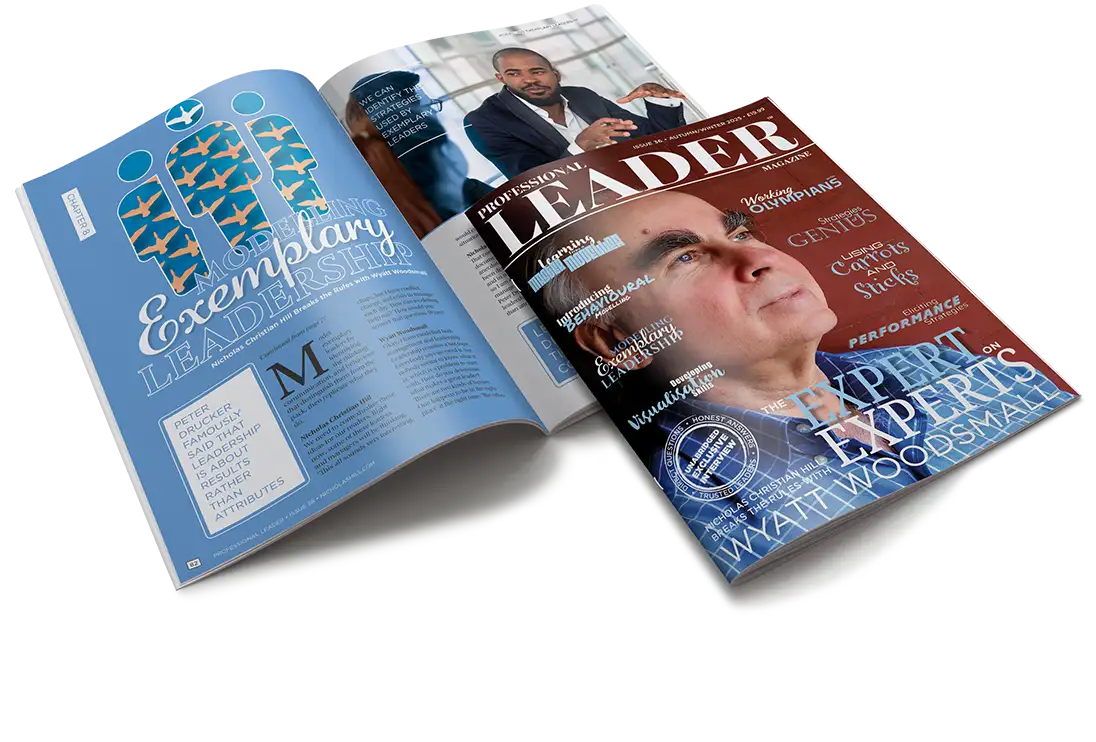





































































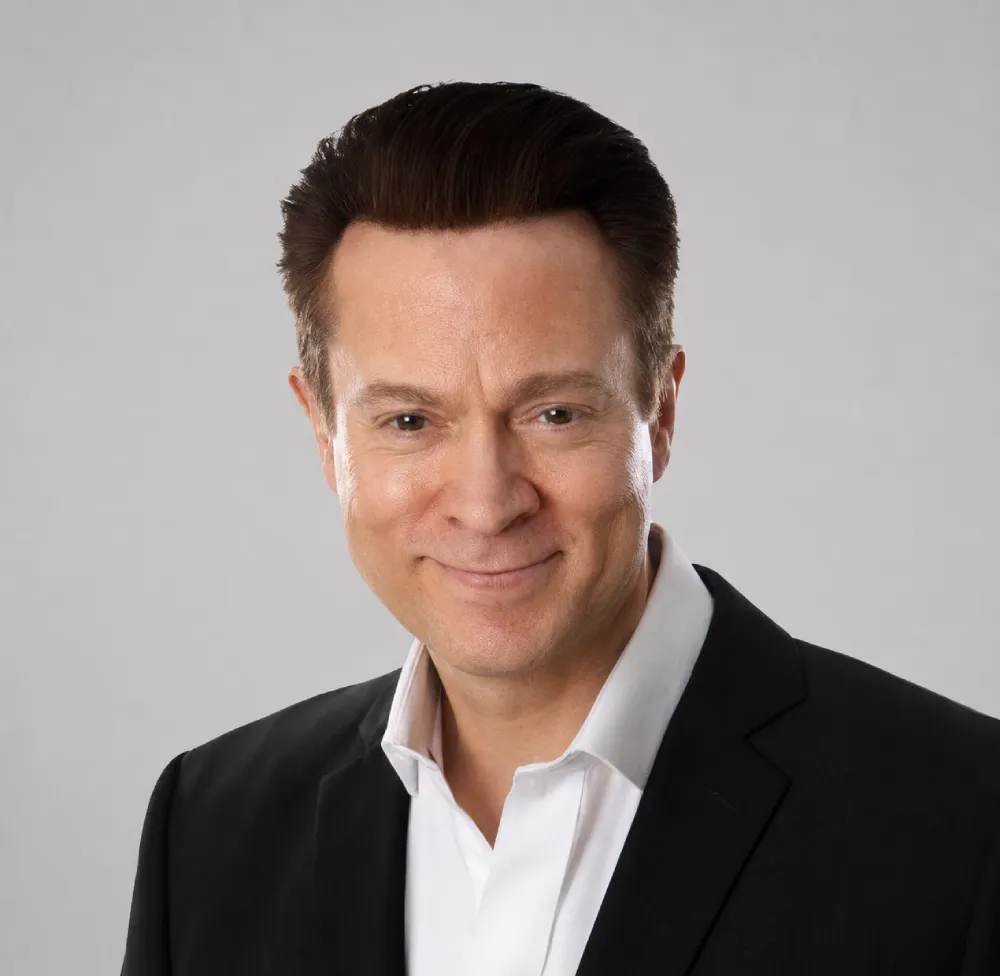
Nicholas Christian Hill
Nicholas Christian Hill FCMI FIoL FIC Managing Director, Nicholas Hill Academy Ltd Leadership and Management Master Trainer Founding Editor, Professional Leader Magazine
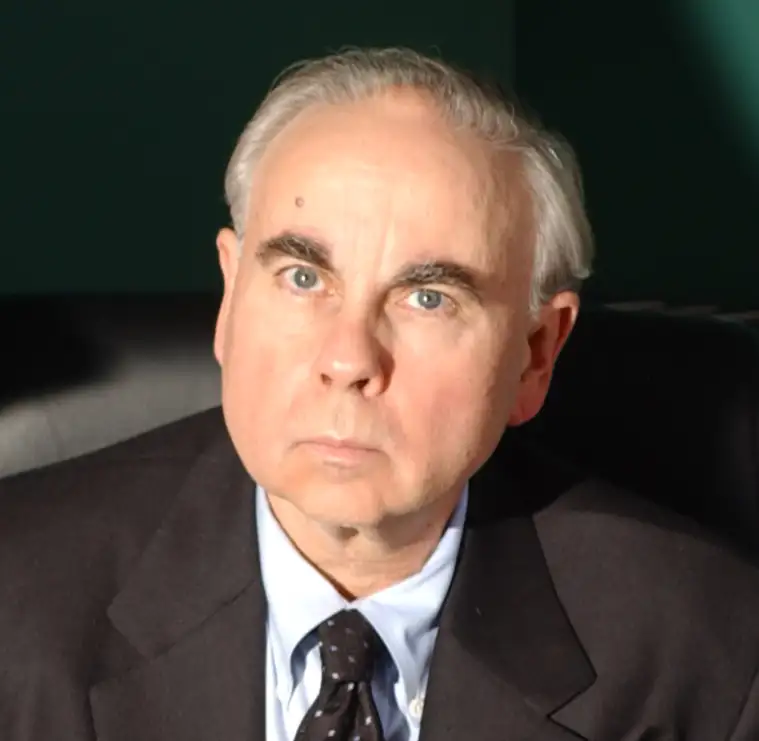
Dr Wyatt Woodsmall
Certified Master Modeller Co-Creator, Advanced Behavioural Modelling Co-Founder, International NLP Trainers Association Co-Author, Time Line Therapy and the Basis of Personality

Nicholas Christian Hill
We need to contextualise these ideas for our readers. Right now, some of these leaders and managers will be thinking, ‘This all sounds very interesting, chaps, but I have conflict, change, and crisis to manage each day. How can modelling help me?’ How would you answer that question, Wyatt?
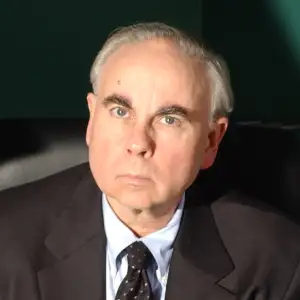
Wyatt Woodsmall
Okay. I have modelled both management and leadership. Leadership remains a hot topic. Everybody says we need it, but nobody seems to know what it is, which is a problem to start with. How do you determine what makes a great leader? There are two kinds of heroes. One happens to be in the right place at the right time. The other would come out on top in any situation.
Nicholas Christian Hill
That confusion is well documented, and it is not just anecdotal. Leadership has been defined numerous times and in many conflicting ways, so I am never surprised when managers express confusion. Peter Drucker famously said that leadership is about results rather than attributes, suggesting that effectiveness defines the leader. Warren Bennis argued that leadership is about vision and the ability to make that vision into reality. John Kotter characterised leadership as the process of coping with change and management as the process of coping with complexity. Then you have Henry Mintzberg pushing back against heroic models altogether, arguing that leadership is embedded in roles, relationships, and context rather than individual charisma. By applying modelling to leadership, we can identify the strategies used by exemplary leaders and learn how to replicate them. Please tell us how you do this, Wyatt.
Wyatt Woodsmall
In modelling leadership, my wife, Marilyne, and I find people who are great leaders, and then work with them to figure out how they do what they do. Part of the work is conducted in isolation, and part is in the operational context. What are the circumstances in which they can be a great leader? Would they be able to be a great leader in other circumstances? What strategies are they using to do that? Managing is quite different from leadership. Leadership is the process of figuring out what the ideal future is, designing a pathway to that future, and then inspiring people to get there.
Nicholas Christian Hill
Right. I developed a definition in 2008 for our ILM courses to clarify the distinction between leadership and management. And it is this: management is concerned with applying systems and processes. Leadership is concerned with empowering the people who utilise systems and processes to ensure successful application. I haven’t altered this definition in nearly 20 years. Most clients immediately resonate with the distinction when I share it. Certainly, vision is a critical component of leadership. As we read in Proverbs 29:18, ‘Where there is no vision, the people perish.’ What would you say are the vital components of visioning?
Wyatt Woodsmall
In leadership literature, the word ‘vision’ continually emerges, but what is a vision? A vision is a picture. Leaders have a vision, a vision of a better place, a vision of a better world. They can communicate that vision, thereby eliciting a kinaesthetic response. They can bond with followers’ emotions, making them ready to follow and to go where they are being led.
Nicholas Christian Hill
As you know, Robert Dilts has published work on visionary leadership. Dilts argues that vision is processed at a higher cognitive level than behaviour or strategy, meaning it drives every lower-level process. It is concerned with creating a compelling picture of the future that aligns identity, beliefs, and action. In his view, effective leaders translate vision into something people can both feel and understand. When that happens, commitment becomes a natural response. People then act because the vision makes sense to them practically and drives them emotionally. From your experience, what components are often missing from visionary leadership?
Wyatt Woodsmall
Subskills are required. One: You must be able to develop a vision. Two: You must be able to articulate the vision. Three: You must be able to communicate it and elicit an emotional response. This third skill concerns understanding how to motivate people. These are some examples of leadership. So, what is the leader’s vision? Can they communicate it in a way that makes anyone excited? Will anyone want to follow them? Once you can articulate your vision, how can you present it to create an emotional impact on others?
Nicholas Christian Hill
Absolutely. I worked with thousands of leaders and managers over three decades. For the past 10 years, this has primarily involved senior or strategic-level personnel. On the subject of motivation, clients often want to know how to get their teams as excited as they are about the vision. They hope for a quick fix, but it is rarely possible without a foundational understanding of human motivation. Therefore, I might share various motivation theories and techniques. Depending on their requirements, this might include ideas on motivational drivers, human needs psychology, psychometrics, body language, and advanced communication models. Given your expertise in modelling, Wyatt, how do successful leaders present the vision to elicit an emotional response?
Wyatt Woodsmall
One of the patterns that you are familiar with, Nicholas, is Meta Programs. Marilyne and I call them people patterns, and we describe them in our book, called People Patterns, which discusses ‘towards’ and ‘away-from’ orientation. Leaders have a vision they are moving towards, and they try to get people to move towards it, whereas half the world moves away from something. That means they do not necessarily do things to get something; they do them to avoid something.
Nicholas Christian Hill
Psychologists were studying approach and avoidance motivation long before Meta Programs were given that label. Kurt Lewin posited that people organise action either by moving towards desired outcomes or by avoiding negative ones. Subsequent research in motivational psychology has reinforced this, demonstrating that some individuals are energised by gains, whereas others are more driven by loss avoidance. I continue to teach these principles and have seen projects that were once slowed by a lack of impetus now accelerate. What matters is not which orientation is better, but whether the leader recognises the difference. If a leader frames a vision only as something to move towards, half their audience is left uninspired.
Wyatt Woodsmall
Leaders try to get everyone to share their enthusiasm and excitement, but then wonder why it isn’t working. The reason is that more than half of the people in the organisation will not move until conditions worsen. The leader cannot just talk about the glory of heaven. They have to talk about hell, which is where you are already at, and they have to describe it in such a way that people go ‘Whoa! I don’t want to be here, and I am willing to do something to get out of here.’ This is motivation, which involves ‘towards’ and ‘away-from’ orientation. Many leaders are positive and only see the ‘towards’ and do not understand the ‘away-from’. They are unable to use it effectively, which is why they tell you exactly what they told you: ‘I have got the vision, but I cannot get people inspired.’